Where am I?
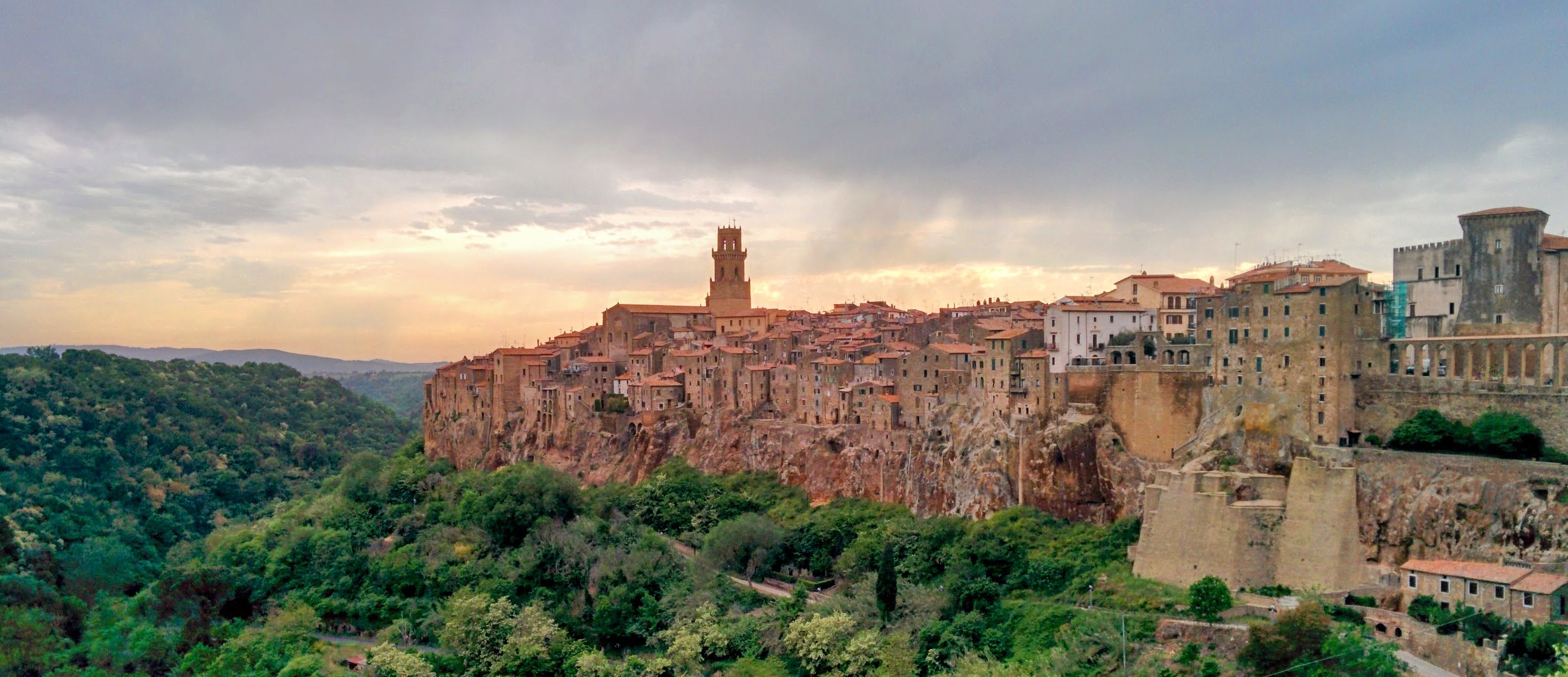
Do you know where this photo was taken? Which village is seen here? Probably not (without some type of search), though it’s certainly possible.
Similarly, can you describe where, in relation to both Barolo and Barbaresco, the Roero is located? Do you know the soil attributes, approximate number of growers, most commonly grown winegrapes and the region’s #1 export? Ask yourself how much you do know about this region, and, like the photo at the header, consider commiting to knowing the place much more intimiately: beauty, history, nobility and quality await. The photo header is a picture of a fascinating, almost hidden, village in Tuscany — Pitigliano. Do you know about Pitigliano? You need to. The same for the Roero — do you know about it? If you’re a true winelover, you need to. (I don’t mean “have you heard of the Roero before”, I mean do you know it).
When considering learning about a new region, sub-region, I usually rely on my time spent there, but in the absense of that, I simply plan a visit. When planning a visit, it usually begins the same way each time:
* find six producers, with an even mix of those I have heard of a/o tasted, and three that I have never heard of before but brief research shows they’re growing responsibly, which is to say, at least, unconventionally. * plan a visit to the area while either heading south (and passing near/through it), or on the northbound leg of the trip. Most trips (typically based out of Barolo or Chianti Classico) are four to nine days in a specific area, with the extra time being primarily devoted to new finds (usually recommendations from a grower I’ve just visited in the area). Sometimes it’s a matter of scheduling (conflicts/availability), which can be a challenge with all the holidays here (national, regional and even local-specific) in Italia and weekends (I never set appointments on weedends, never). One thing I’ve learned and has become a steadfast rule: set one appointment/visit in the morning and one for the afternoon – that’s it, no more. Why? Because things happen, organically, and if that time is already jammed up with other obligations, I might miss: (e.g.) harvesting olives after a morning of tasting barrel samples, picking wild mushrooms/truffles on the farm’s property and then being invited to stay for lunch/dinner, etc. Time is our greatest asset, spend/plan it wisely, it’ll never be a regret.
Over time, I’ve found that another helpful way to learn about an area is to plan/build the foundation first. What I mean by that is, learn a few things about the cornerstones of the place. For me, it’s the local culture, the people, their village(s), bars, enotece/ristorante, the customs, the local cheeses/pastas/breads, etc, what type of soil/geology can be found in the growing areas, the DOCG/DOC grapes/wines and the lesser-known but memorable winegrapes outside of the constraints of those controlled/defined areas, and finally, the area-specific rules/bureaucracy, e.g. can/can’t irrigate, wine/blending rules, pest/disease response measures, even the health of the consorzio (e.g. robsust, lively, proactive? passive? financially (e.g. marketing) prepared/commited? , etc.
If you have some/more curiousity about the Roero region, here’s four things that might help light (or not) a fire to fuel future explorations of the wines, the sub-zones, or an all of the above deep-dive with a week or two to better allow it all to sink in, and find out a good deal more of what you don’t know but are passionate to discover.
(1) The winegrapes, styles, etc, or simply put, do you like the taste experience or is it something you can easily live without. I mean, hey, if these wines and styles aren’t your jam, what’s the point of learning more beyond the academic? An extension of this is the very real limitation that you may like all of the features, but simply can not afford to learn about it. (2) once you’ve had a chance to taste a half dozen, a dozen or more examples from the (insert any area here, really) Roero (which is not hard to do, unless like most in this country, you’re limited by importers/distributors/stores, i.e. availability) decide if this lives up to the hype; if it’s not hyped but it clearly should be, then it’s time to explore a lot more (3) when considering just the DOCG/DOC wines, decide if this is sustainable – for you. In other words, do these wines go with what you like to eat, is there enough breadth and depth here that clearly warrants more investment of time and money, etc. Consider if the (im)practicality of affording and/or finding these wines is enough to keep the interest/passion alive for a while, or maybe even for a long while.
The above is the practical advice I can offer based on > 25 years of collecting, exploring (>1,000 wineries — it’s even hard for me to believe, but alas) and a budget that needed to be heeded. What will follow in a separate post is part II of this discussion as I have posed the same question to several(!) different growers in Roero: “if you wanted to share four important aspects/qualities of the Roero that you would like winelovers to know/better understand, what would they be?” I look forward to sharing these findings in a future post (even I am curious to learn what they have to say – will there be a common theme? a few themes? other?
I’m already writing a pt. 3 post in my head, there’s a lot to love.
Thanks for reading,
Tim
 ItalianWine.blog